Visions In Plastics
Call or email today for a quote : 01302 775920
sales@visionsinplastics.co.uk
Visions In Plastics
Call or email today for a quote : 01302 775920
sales@visionsinplastics.co.uk
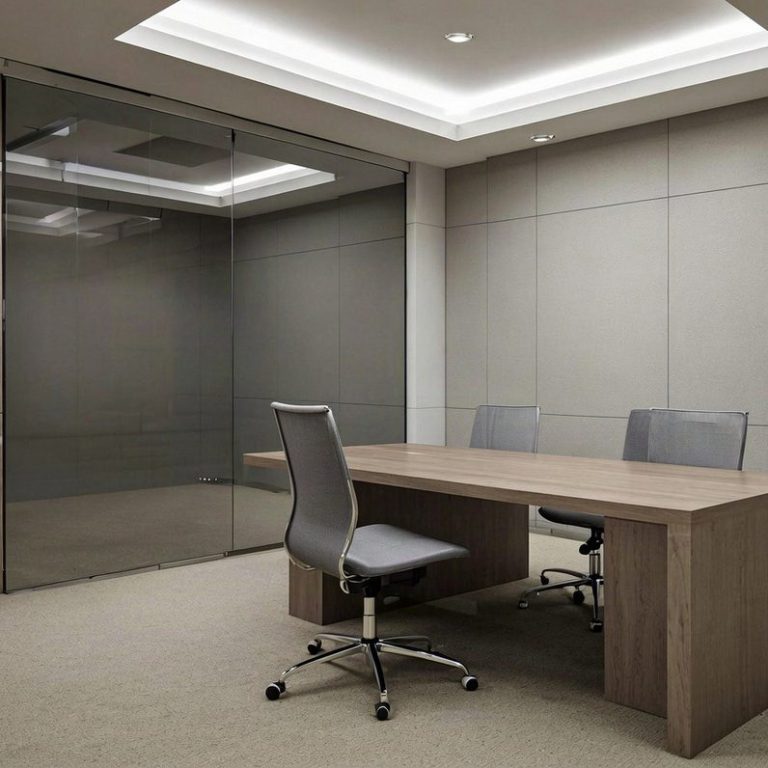
See Thru (two way) mirror has a semi-transparent aluminium film deposited on the substrate that allows a percentage of incident light to pass through, while reflecting the remainder. From the illuminated side it's a mirror; from the darkened side it's transparent.
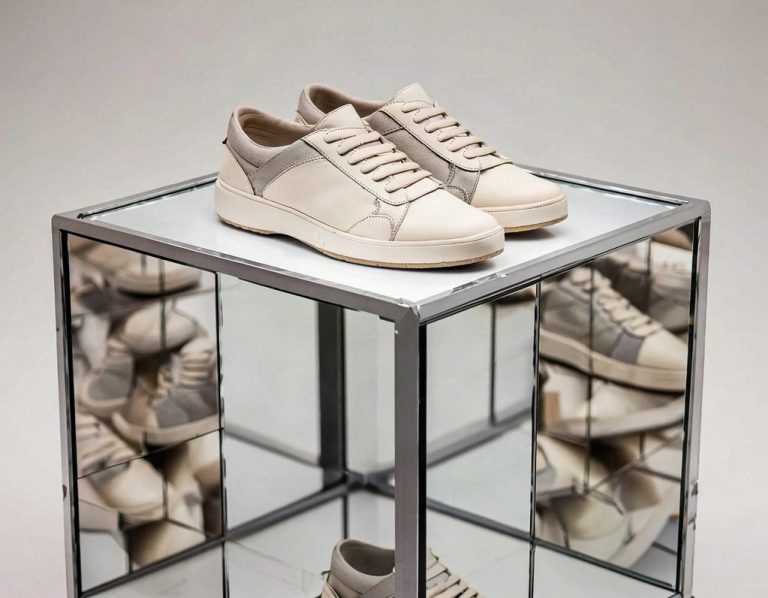
An opaque, two-sided mirror which consists of an opaque film of aluminium, protected by a tough clear coating. Light incident from either direction is reflected. First Surface is often used in retail display and special lighting.
2440 x 1220 x (approx.)
3 mm
6 mm
(all sheets have polymasking front and polymasking back)
2440 x 1220 x (approx.)
3 mm
6 mm
(all sheets have polymasking front and polymasking back)
2440 x 1220 x (approx.)
3 mm
6 mm
(all sheets have polymasking front and polymasking back)
2440 x 1220 x (approx.)
3 mm
6 mm
(all sheets have polymasking front and polymasking back)
(please note: manfuactured to order, with lead times and minimum quantities)
Each mirrored product is well protected with a removable masking on both the front and back.
1
It's important to distinguish between see-thru (two-way) mirrors and first surface (double-sided) mirrors: a see-thru mirror is a partially reflective, partially transmissive sheet, typically acrylic or polycarbonate with a one-sided metallic coating used where controlled observation is required (for example interview rooms or observation booths) and only functions with a bright side and a dark viewing side, whereas a double-sided mirror has reflective coatings on both faces (one on the first surface). It provides full reflection from either side and does not permit one-way viewing; choice between them depends on application, required reflectivity, thickness and substrate.
2
As a leading plastic distributor, we recommend acrylic mirror as the most popular lightweight and flexible substrate on the market today. It is considerably lighter than glass, flexible and easy to fabricate or cut to size and offers 85–90% reflectivity for a clear, bright finish; available in the most extensive range of thicknesses, acrylic mirror is shatter‑resistant, cost‑effective and ideal for applications from retail displays and signage to interior design and home decoration.
3
Acrylic mirrors are far lighter, impact‑resistant and easier to cut, thermoform and fix, making them ideal for signage, displays, gyms and safety-conscious environments; acrylic is cheaper to transport and less hazardous if broken, but it scratches more easily, anti-scratch mirror is a better option to avoid this. Acrylic is also recyclable.
4
Polycarbonate mirrors represent one of the most impact-resistant substrates available on the market, making them an ideal choice for various applications. As a plastic distributor, we recognise the importance of excellent strength combined with unique heat and flame-resistant properties that polycarbonate offers. This exceptional material not only ensures durability but also features the industry's toughest protective backing, allowing it to withstand even the most demanding fabrication requirements. For those seeking reliable and resilient reflective solutions, polycarbonate mirror stands out as a superior option.
5
As a plastic distributor, recommending a polycarbonate mirror over a conventional glass mirror makes sense for many applications because the sheet combines exceptional strength with ease of use: polycarbonate is significantly lighter than glass (roughly half the weight for comparable thickness), far more impact resistant and effectively shatterproof, making it safer for public spaces, transport and industrial settings. It offers excellent optical clarity and can be cold-formed, drilled and cut on site without the fragility of glass.
6
Visions In Plastics often recommend polycarbonate over acrylic mirror where durability and safety matter. Polycarbonate offers significantly better impact strength, resisting shattering and cracking in high‑stress or high‑traffic environments, and its superior fire resistance means it is less likely to sustain flaming or spread fire, making it a more suitable choice. These properties give polycarbonate a clear advantage when customers need a robust, long‑lasting mirror material that meets stricter safety requirements without compromising clarity or ease of fabrication.
Contact our team to discuss your project requirements, request samples of our mirrors and receive expert advice on the most suitable materials, thicknesses and finishes for your application.
We need your consent to load the translations
We use a third-party service to translate the website content that may collect data about your activity. Please review the details in the privacy policy and accept the service to view the translations.